One principle. Four applications.
Integrated antifouling and removal system.
Toxin-free dual-film treatment maintains barnacle-free hulls for 6 months. Remaining barnacles are removed by a magnetically-attached ROV using cavitation water jets — no damage to the hull or coating. Only the force of micro-bubble implosion is used, leaving ship body and paint completely intact.
Digitize the ocean. Prevent accidents.
In Hiroshima, 70 aquaculture raft collision accidents have occurred over the past decade — over 70% caused by pleasure boats. A system to detect raft locations from satellite data and notify smartphones via IoT devices on the rafts is being developed in a three-way collaboration with Inet and Marine Craft Kazenoko.
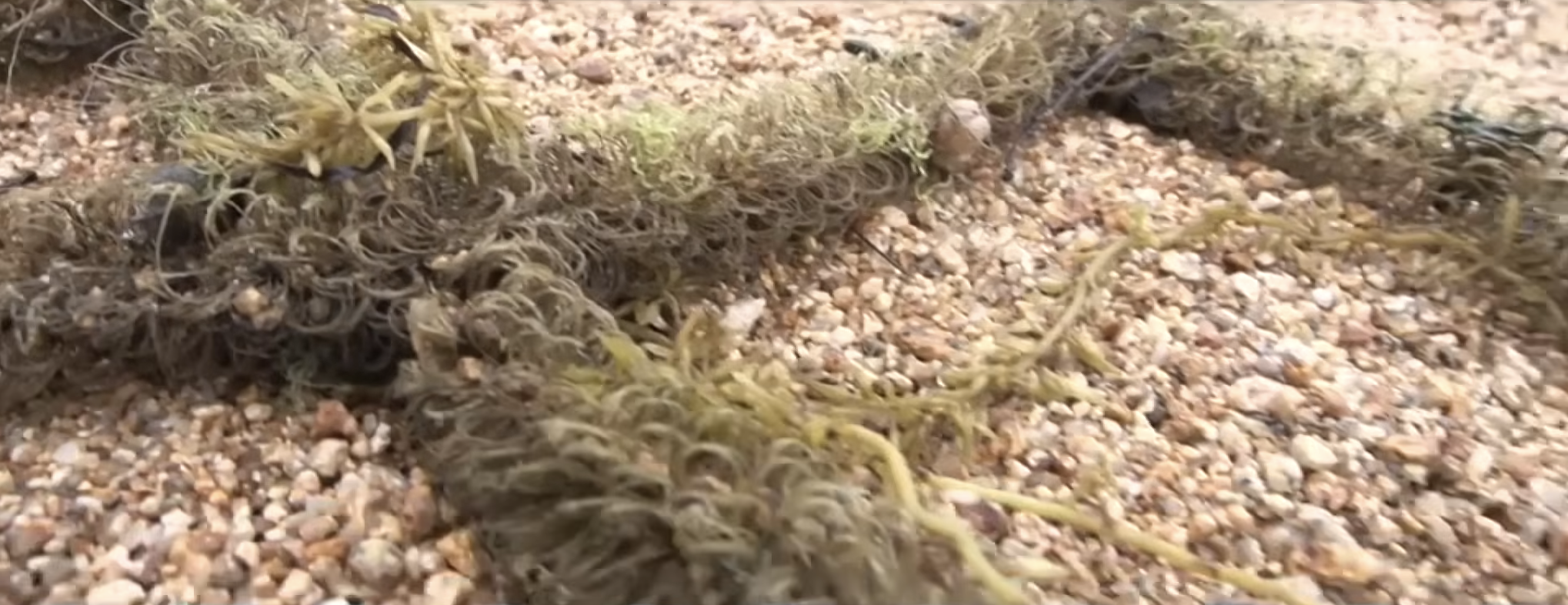
Reverse antifouling technology to restore seagrass.
By inverting the adhesion-inhibiting surface treatment, we developed a biodegradable biocode that promotes root adhesion of eelgrass (Zostera marina). Phosphate ions and other nutrients are immobilized on the surface, providing the nutritional environment needed for seagrass growth and capturing naturally-falling seeds. Participating in the TV New Hiroshima "Hiroshima Ocean Forest Project".
Give microbes a scaffold. The land revives.
Deserts fail to become forests not only because of drought — the soil microbial community is absent, so even if plants take root, nutrient cycling does not occur. Modified rice husk (Nano-Husk) creates a scaffold for microbial colonization, activating an autonomous positive feedback loop in the ecosystem. This mechanism is identical to how seagrass adheres in the ocean.